


Wisdom Teeth: When to Worry and What to Expect
Oral Surgery
4 min read
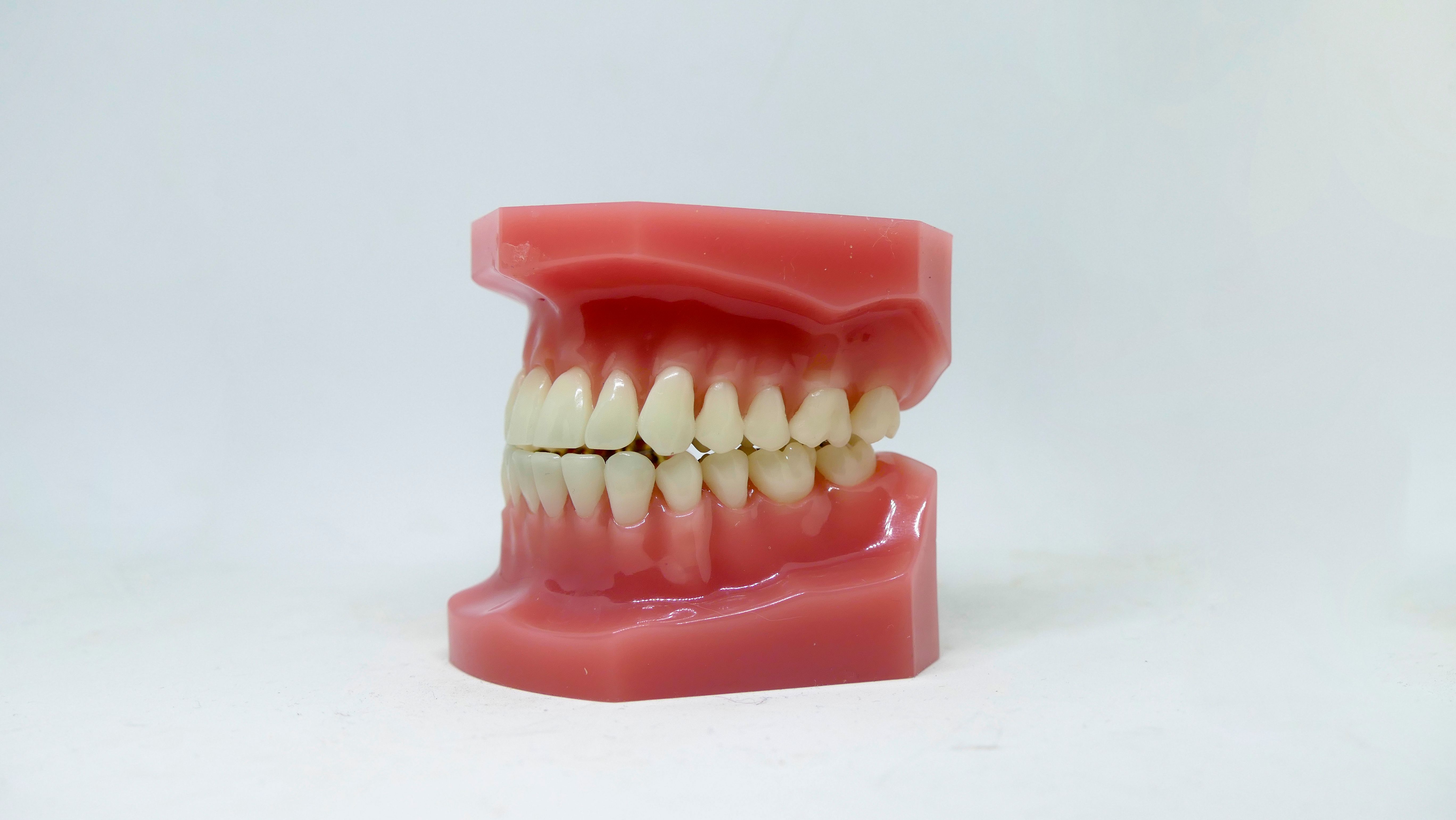
The last teeth to arrive — and often the trickiest
Wisdom teeth, or third molars, typically show up between the late teens and early twenties. For many people, there simply isn't enough room for them, which leads to a range of issues.
Signs they might be causing trouble
Swelling or tenderness at the back of the jaw
Pain when opening the mouth wide
Crowding or shifting in nearby teeth
Repeated infections around a partially erupted tooth
Why removal is often recommended
When a wisdom tooth is impacted — stuck against the jawbone or another tooth — it can lead to infection, cyst formation, or damage to neighboring teeth if left alone. Not every wisdom tooth needs to come out, but regular X-rays help track how they're developing.
What the procedure looks like
Most extractions are outpatient procedures done under local anesthesia or light sedation, with recovery typically taking a few days to a week. Swelling and mild discomfort are normal and manageable with the aftercare instructions your provider gives you.
Regular checkups make it far easier to catch wisdom tooth issues early, before they turn into an emergency.